You would think that connecting your hose to your rig is as easy as hooking up the garden hose at home, but this is a habit that could easily lead to your equipment breaking! You’ve pulled up to your camping spot for the night, everything is set up and now you just need to connect your water. But when was the last time that tap you’re about to connect to was used? There could be old water in the pipeline, or even spiders, ants or wasps living up in the tap! We live in one of the driest countries in the world - but health should always come first. Give the tap a good flush before you connect to it. If...
You may recognise the green and gold Aussie Made logo around our website- this is because we have been proudly Australian Made, Owned, Designed and Operated since our conception in the late 90's. This year, May 18 - 24 is Australian Made Week, and we just wanted to shed a little light on our journey and history to celebrate. First things first, what even is Australian Made Week? Well, it's a great opportunity to spread awareness for local businesses. Supporting small Aussie businesses is essential for generating jobs and boosting the local economy. According to the Australian Made website, however, over 80% of customers say that buying Australian Made is important to them, so you probably already knew that! Our...
If you encounter an unusual taste in your water, how do you determine where it's coming from? Is it just when connected to town water, only from the tank, or both? If the taste is just coming from the tank, jump to Step 5. Step 1 - Run a couple of litres through the hose tap that you are going to be using, then taste that water directly from the tap. If it's okay, go to Step 2. Not okay? The source water is the issue. Depending on what is causing the taste, you will need a good water filter or a water conditioner - or both to treat the flavour. Step 2 - Connect your water hose to the tap...
What is PFAS? Scientifically known as 'Per- and polyfluorinated alkyl substances', they are also called 'Forever Chemicals' and are part of a large chemical family of over 10,000 highly persistant, non-natural chemicals not found in nature. This includes chemicals like PFOA and PFOS. It has been found in a wide range of consumer products such as non-stick pans, cosmetics and many other sources. According to CHEMTrust, some PFAS strains have been connected to several health issues, and have been found in the blood and breastmilk of humans and wildlife alike. Luckily for Australians, PFAS will be banned from import, manufacture and use from July 1, 2025. So what can we do about it? PFAS can be removed from your water...
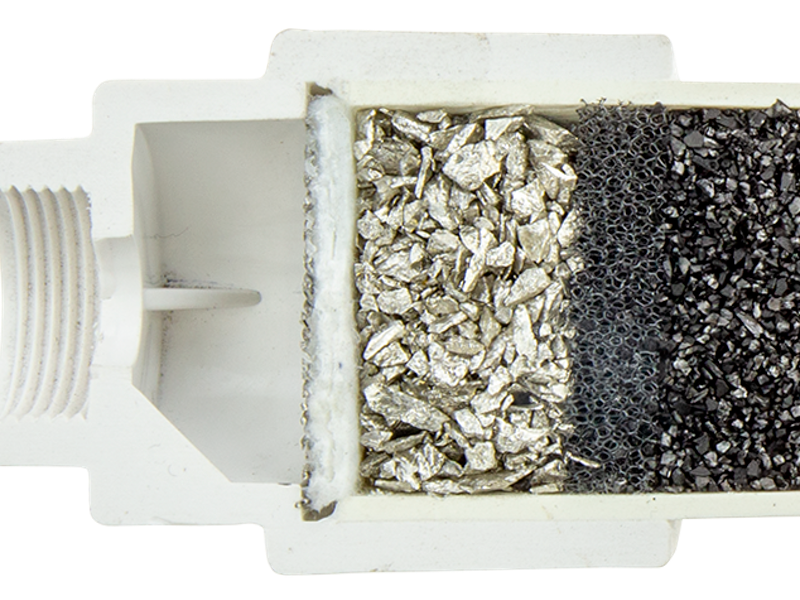
We get a lot of comments on our social media asking why you should splurge on a B.E.S.T. when you can just get a cheap $30 filter from your nearest hardware store. There are a few different reasons for this but it mostly comes down to build quality, carbon quality, life, usability and the use of SilverSafe® technology. Most of this can't be seen at face value, but I would encourage you to ask, "Why is it only $30"? There are over 4,000 different carbons to choose from. The carbon used in a low-cost filter is the most basic coconut husk carbon, which is okay to be used on predictable water (such as chlorinated town water) and relies heavily on chlorine...